Museum collections
The collections of Paimio's museums comprise a wide range of materials, including historic buildings, objects, photographs, archival documents and audio recordings.
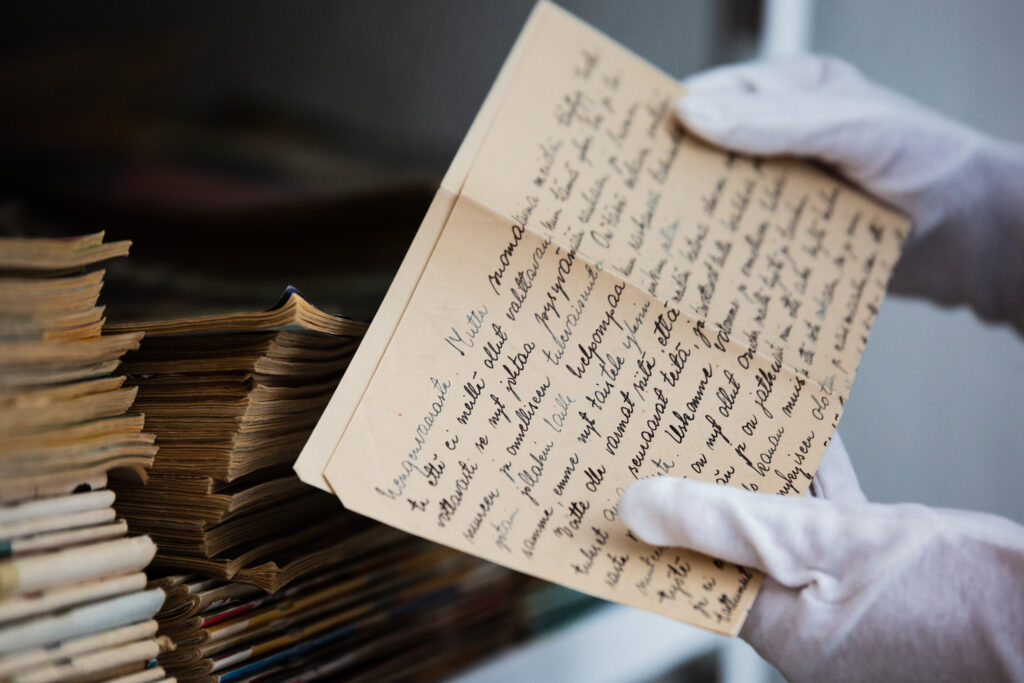
Collections management is one of the most important and demanding areas of museum work. It forms the foundation on which all other museum activities are built. Collections work includes acquiring and cataloguing objects, recording collection-related information, documenting objects, their care, storage and conservation. The collections created and maintained through this work provide essential source material for research, exhibitions and other museum activities, helping to preserve and interpret the past for present and future generations.
– Collections Policy Programme for Professionally Managed Local Museums in Southwest Finland
The museums operating in Paimio manage their collections according to professional museum standards and ethical principles. This means that every potential donation goes through a collections management process before it can become part of the museum’s permanent collection. The process begins either with an offer from a donor or with the museum’s own collecting decision and ends with the object being accessioned into the museum collection.
This is a multi-stage process that requires professional expertise and considerable time. For this reason, every donation is carefully evaluated before a decision is made. However, if you believe you have an object or collection that may be of interest to the museum, we encourage you to contact us.
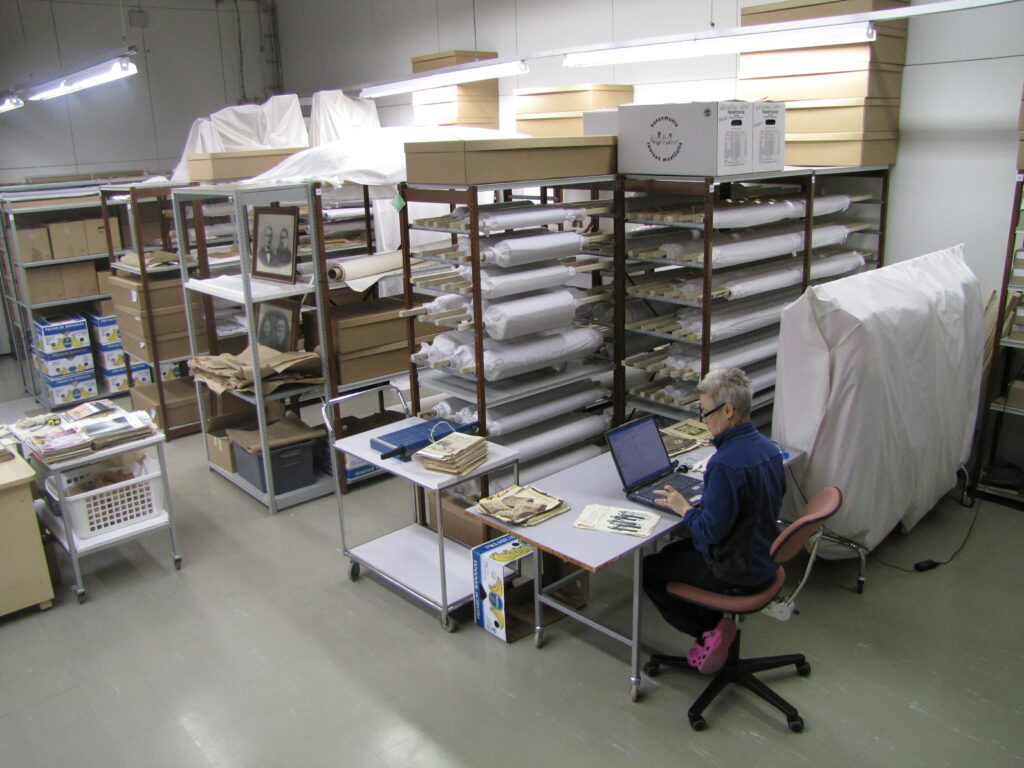
What Kind of Donations Are Suitable for the Museum Collections?
Each museum in Paimio has its own area of specialisation, and the collections are developed accordingly. Together with other museums in Southwest Finland, the museums form a regional network of collections. To avoid unnecessary duplication, museums do not actively collect objects that are already well represented in the collections of other museums. The collecting responsibilities of local museums in Southwest Finland have been agreed upon jointly in the Collections Policy Programme for Professionally Managed Local Museums in Southwest Finland (2014). (Varsinais-Suomen ammatillisesti hoidettujen paikallismuseoiden kokoelmapoliittinen ohjelma 2014).
When considering a donation, the museum first evaluates whether it complements the existing collections in accordance with its collections policy. In other words, the object must fall within the museum’s collecting scope. All museums in Paimio document and preserve the cultural history of Paimio and its surrounding area.
The museum primarily accepts objects that are authentic, in relatively good condition and of particular historical or cultural significance. It is also important that as much information as possible is available about the object’s provenance, history and use. Below you will find a brief description of the collecting responsibilities of Paimio’s museums.
Collecting Responsibilities of Paimio's Museums
-
Miila Craft museum collects, documents and preserves the local craft heritage and traditions of handicrafts in the Southwest Finland region. The core of the museum’s collections focuses on everyday crafts and traditional making.
The primary criteria for acquiring objects are their local or regional significance, their representativeness and typicality, as well as their historical importance and documentary value. Particular emphasis is placed on the availability of contextual information, such as the object’s provenance, history of ownership and use, and other information relating to its life cycle.
-
Paimio Electrical museum documents, develops and preserves the cultural heritage of electrical technology. The museum’s collections focus on recording and interpreting the electrification of rural areas from the perspective of Southwest Finland, including the generation, transmission, distribution and use of electricity.
The core of the collection consists primarily of equipment and technology used by electricity companies and electrical installers in power generation and distribution. The collections also include electrically powered machines and appliances used in households, public institutions and agriculture.
-
Paimio local history museum documents, develops and preserves the cultural heritage of Paimio. The core of the museum’s collections focuses on the local rural way of life and the material culture of the farming community.
-
The August Pyölniittu museum is a biographical museum dedicated to preserving the legacy of August Pyölniittu, a smallholder farmer from Paimio and a self-taught scholar, as well as that of his sisters.
The museum’s collection is considered closed, meaning that no new objects are acquired and items are not loaned to other institutions. The collection is displayed in the original home setting, which forms the museum’s permanent exhibition.